To answer this, the research phase set aside purely technological solutions in order to focus on people. Students, retirees, shopkeepers, and employees of local companies: the daily habits of many residents of Nice were closely examined.
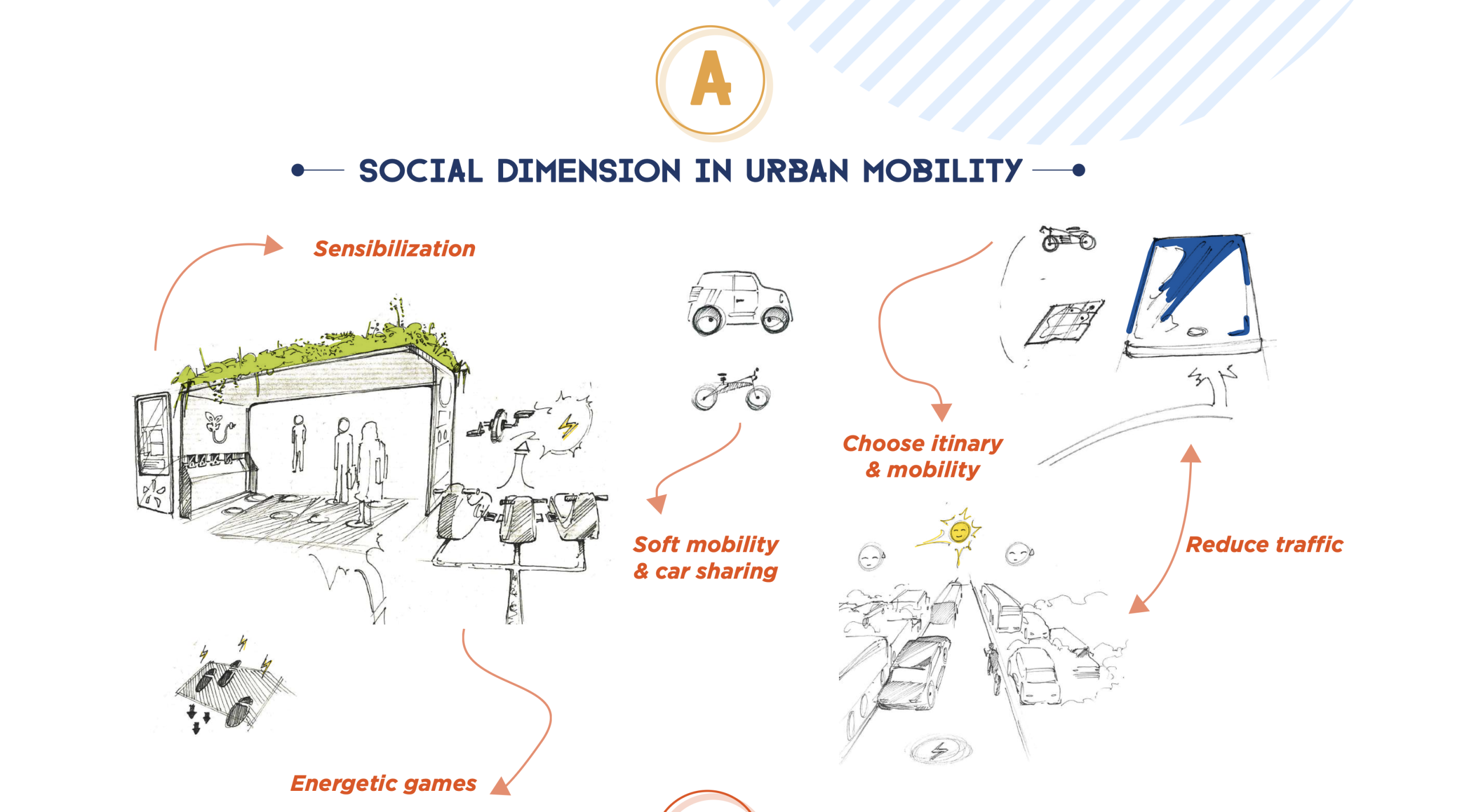
The study reveals that citizens' expectations go far beyond their electricity bills: they are looking for pragmatic answers to mobility, traffic, and social connection issues. Six pillars were defined to guide the project: mutual support, efficiency, awareness, social usefulness, interaction, and frugality.
A two-sided ecosystem: from the smartphone to the street
The selected solution takes the form of a global ecosystem combining digital innovation and urban amenities:
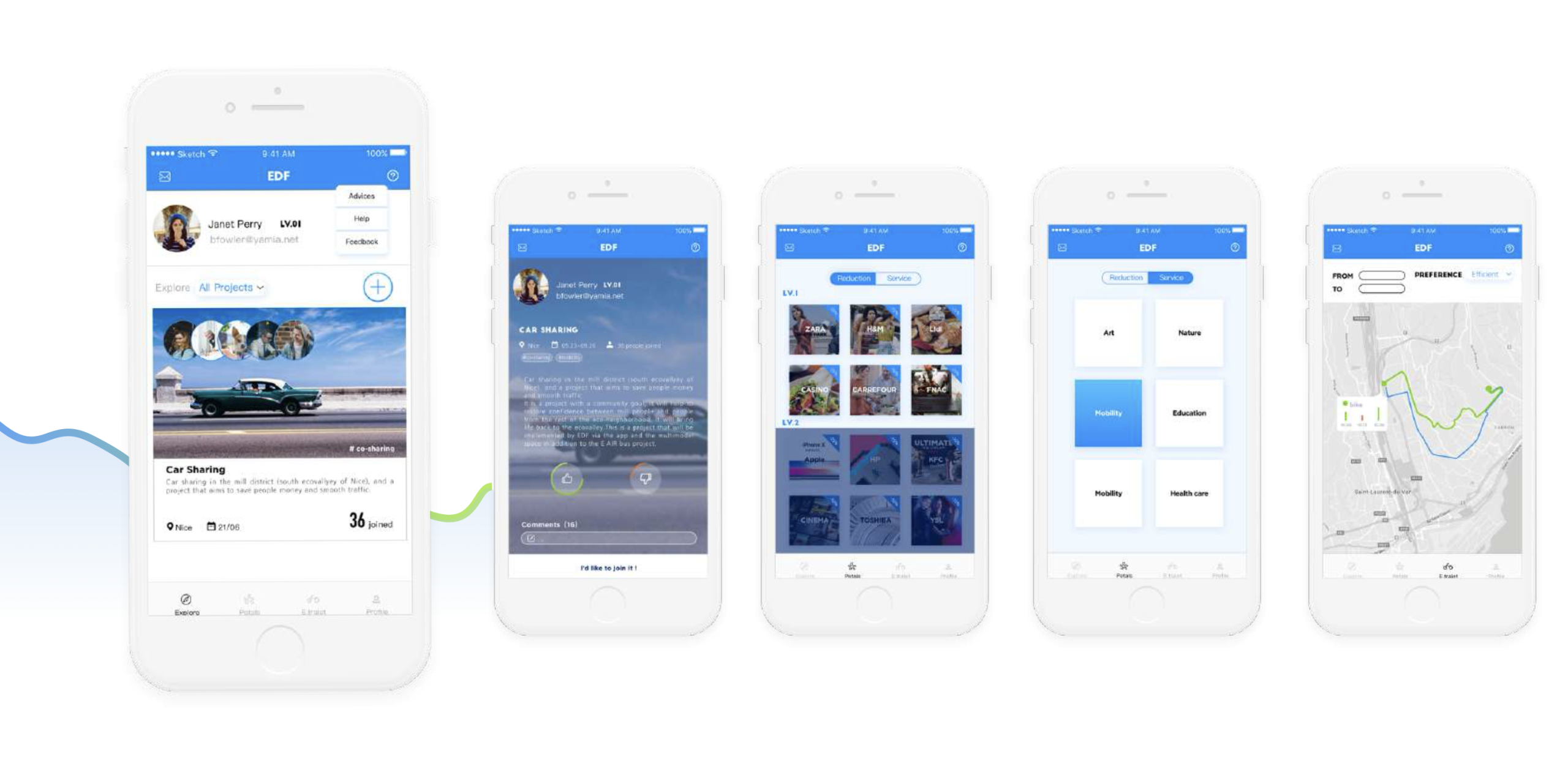
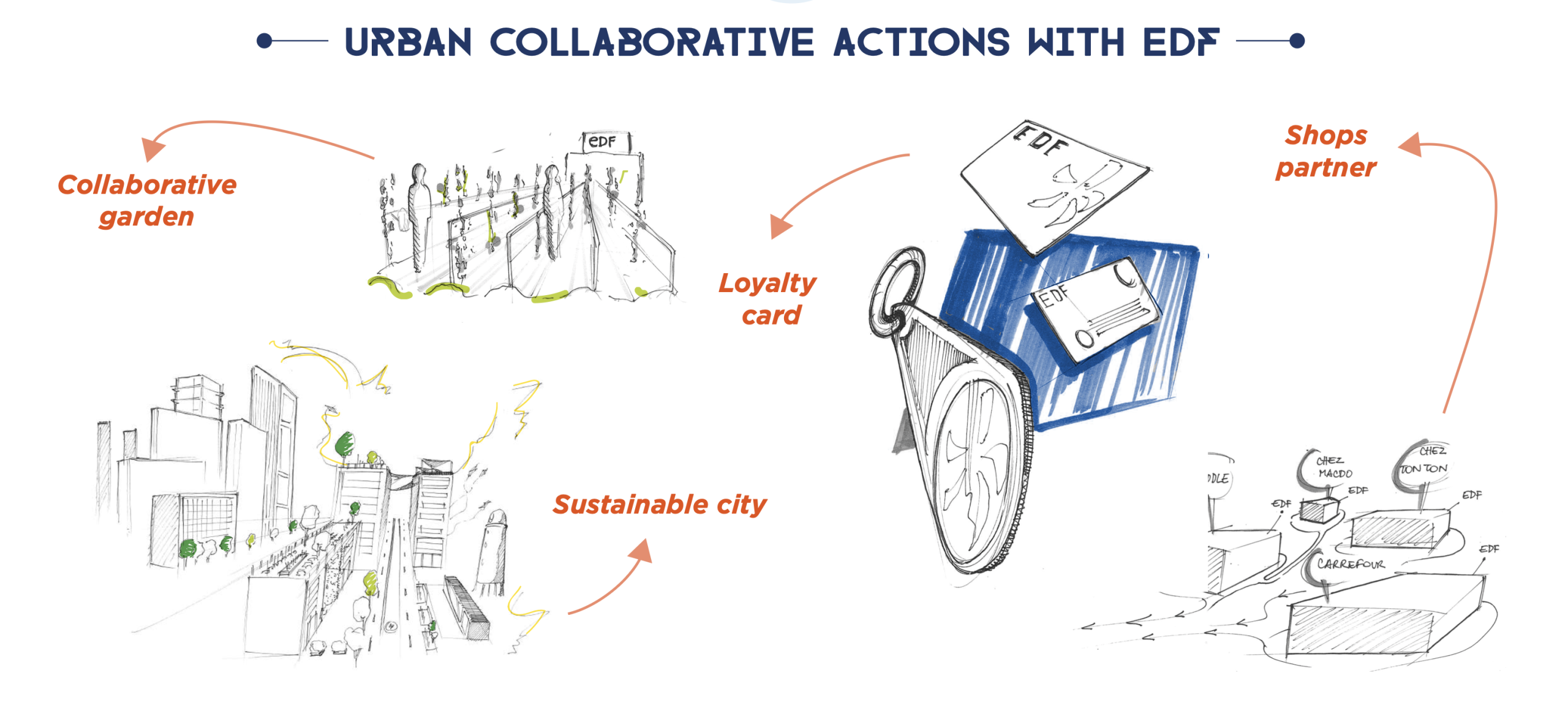
The “Petals” of civic life: through an app and an intelligent dashboard, residents are encouraged to adopt eco-friendly behaviors, such as reducing energy consumption, using soft mobility, and sharing skills. As a reward, they collect “Petals,” points that can be exchanged for discounts at neighborhood shops or converted into votes to fund local community projects.
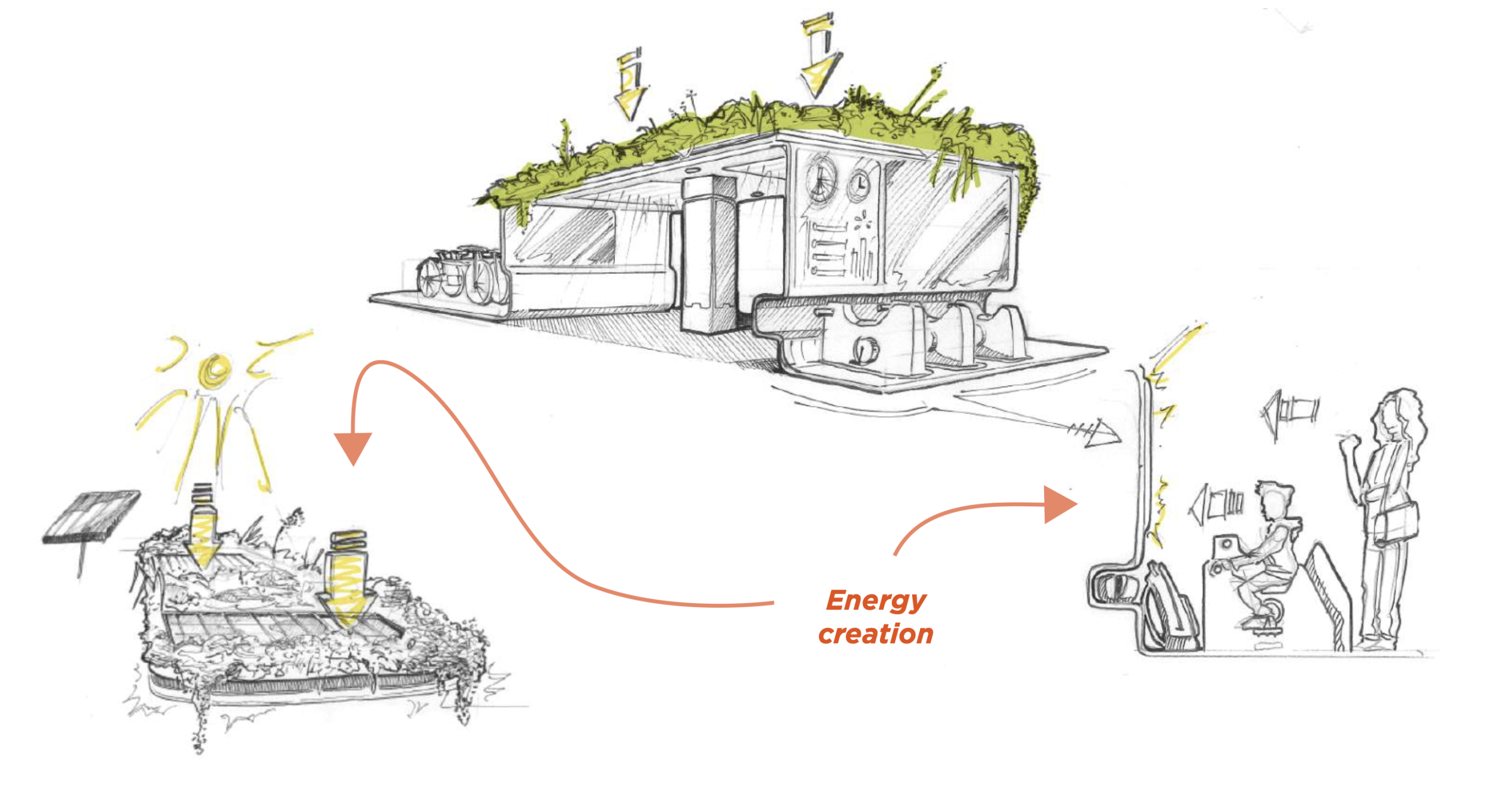
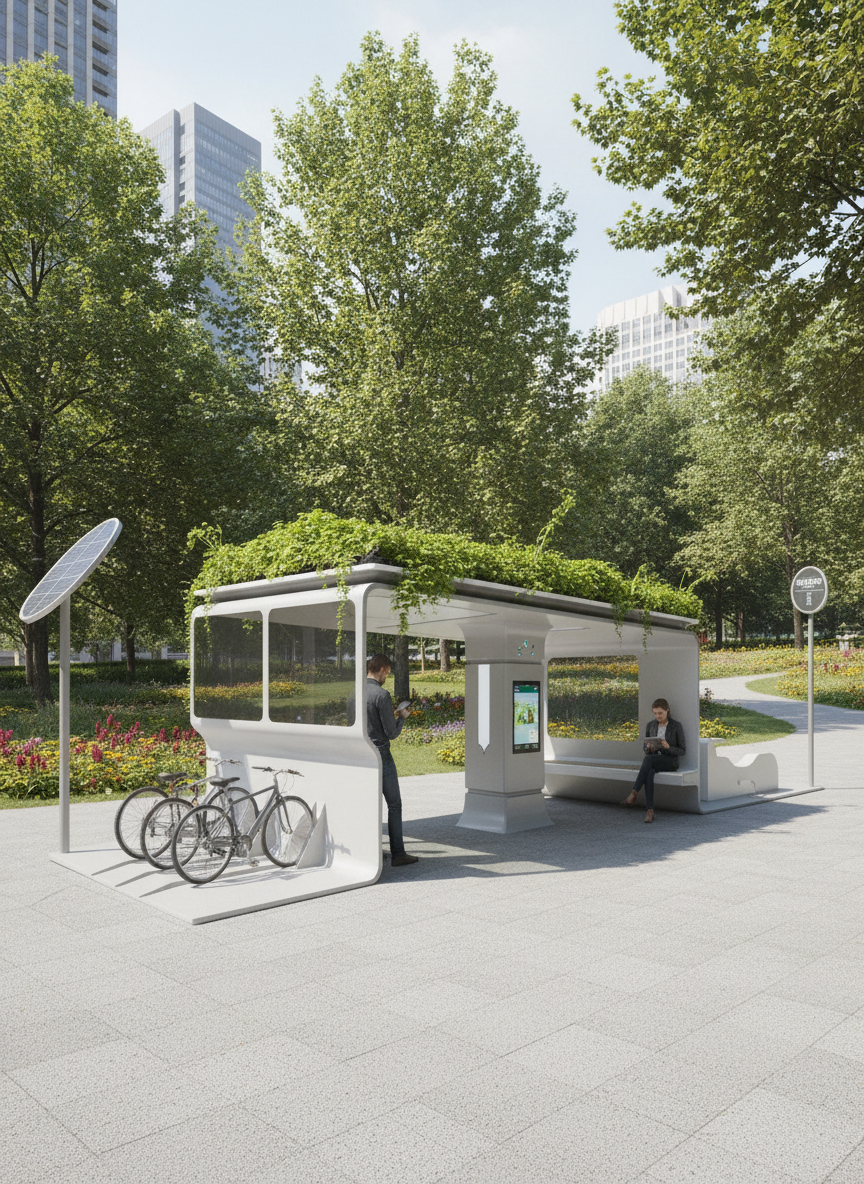
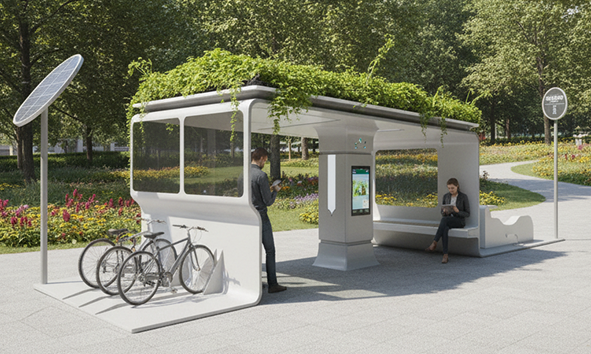
The “E.AIR” hubs: in key locations across the territory, such as schools, the airport, and public spaces, modular planted structures are deployed. Equipped with solar panels, these anchor points serve at once as charging stations for soft mobility, real-time information spaces, and meeting places for residents.
By connecting individual effort with collective momentum, this initiative shows that the ecological transition will not happen only through constraints, but also through play, rewards, and the re-enchantment of neighborhood life.
For EDF, the challenge goes far beyond electricity distribution: the French company aims to prove that it can act as a catalyst for territories that are more sober, more collaborative, and resolutely future-oriented.
 , 9
, 9  , 11
, 11  , 17
, 17