educational project
BELLYNK - How can design support people with invisible chronic conditions in reconnecting with their bodies and gaining autonomy?
Cléo LECOCQ -2026
Today, one in five people lives with digestive disorders. Although very common, these conditions are often accompanied by complex, diffuse symptoms such as pain, bloating, chronic fatigue, brain fog, or constant hypervigilance. Despite this high prevalence, these conditions lack clear biomarkers and stem from multifactorial causes. This lack of a clear medical answer leads 50% to 60% of affected people to say that they feel neither understood nor taken seriously. Patients therefore face a fragmented care journey, shaped by dismissive discourse or by the disorientation that follows a diagnosis without concrete support. In everyday life, this situation creates deep anxiety, fear of going out, social isolation, and a heavy sense of loneliness.
The Challenge and Design Levers
In response to the lack of legitimacy felt by patients and the difficulty of understanding invisible chronic conditions, the project's central question explores how design can support people living with invisible chronic illnesses, helping them reconnect with their bodies and gain autonomy. To answer this, the project is built around four key levers drawn directly from users' lived experiences. The first is legitimacy, which aims to acknowledge the reality of symptoms. The second concerns guidance, in order to offer clear direction within a confusing medical journey. The third is adaptation, to provide personalized and evolving support. Finally, the fourth lever is destigmatization, which is essential to free speech and break the taboo surrounding digestive disorders.
The Solution: The “Bellynk” Ecosystem
To address these challenges, Cléo Lecocq proposes Bellynk, a co-created support ecosystem that connects the community, healthcare professionals, and everyday tracking tools in support of patient autonomy. The journey unfolds through personalized support. It begins with an initial onboarding questionnaire that identifies symptoms. A medical consultation then validates this information and sets directions. The patient then joins a peer community and benefits from an active support loop with peer helpers, breaking isolation. Through a phase of guided self-observation, users identify their triggers and adjust their habits in order to move toward lasting self-regulation.
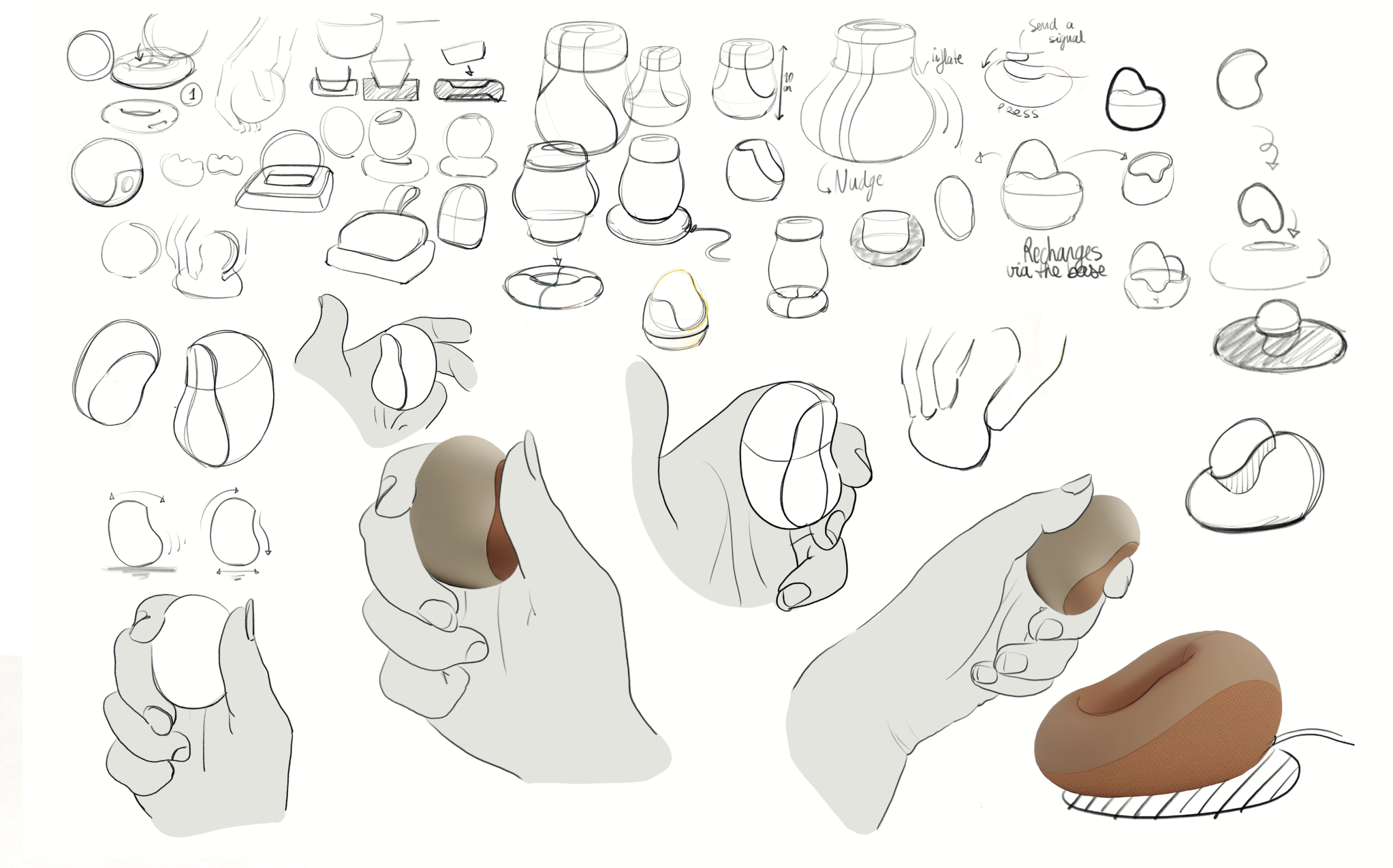
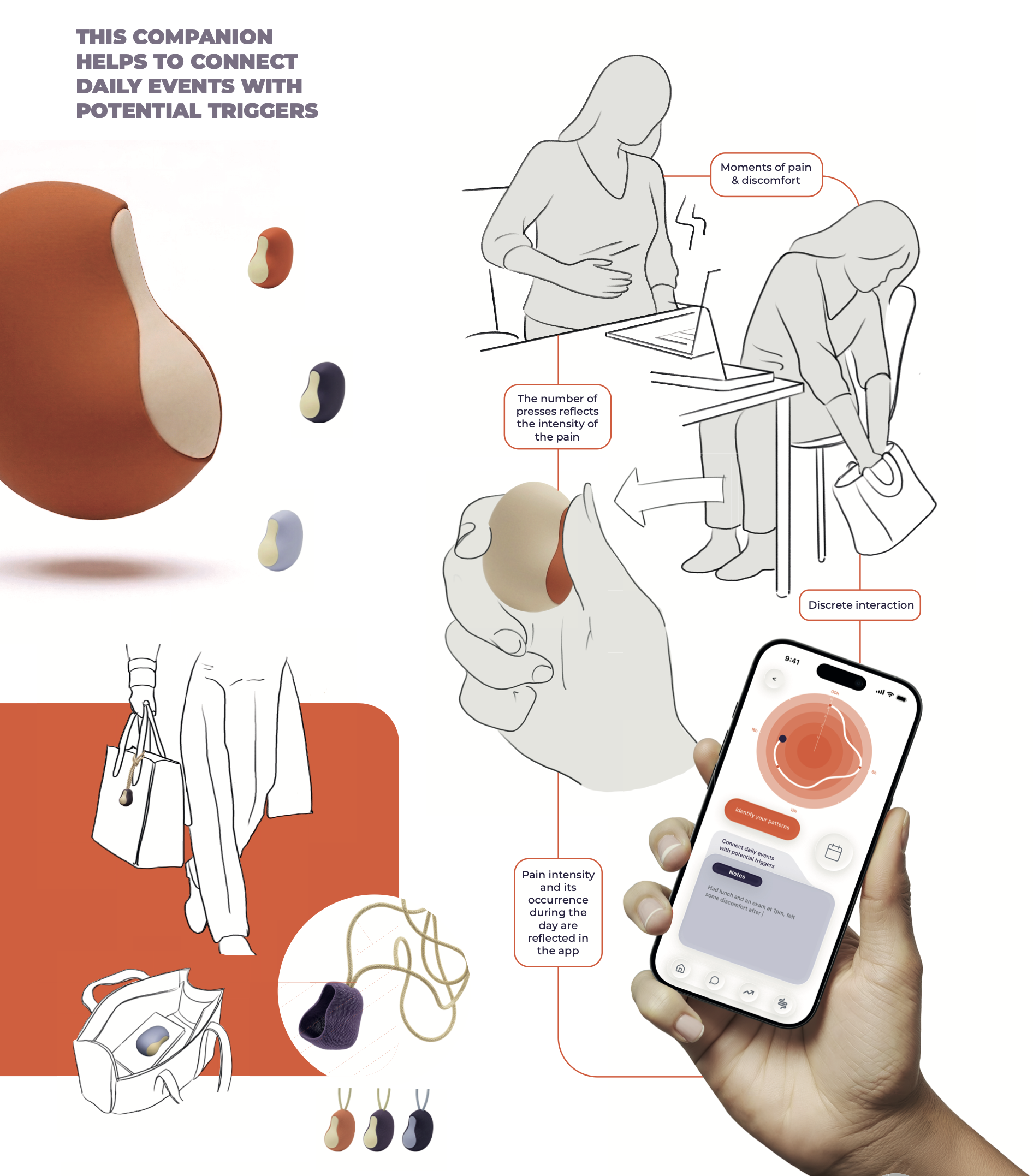
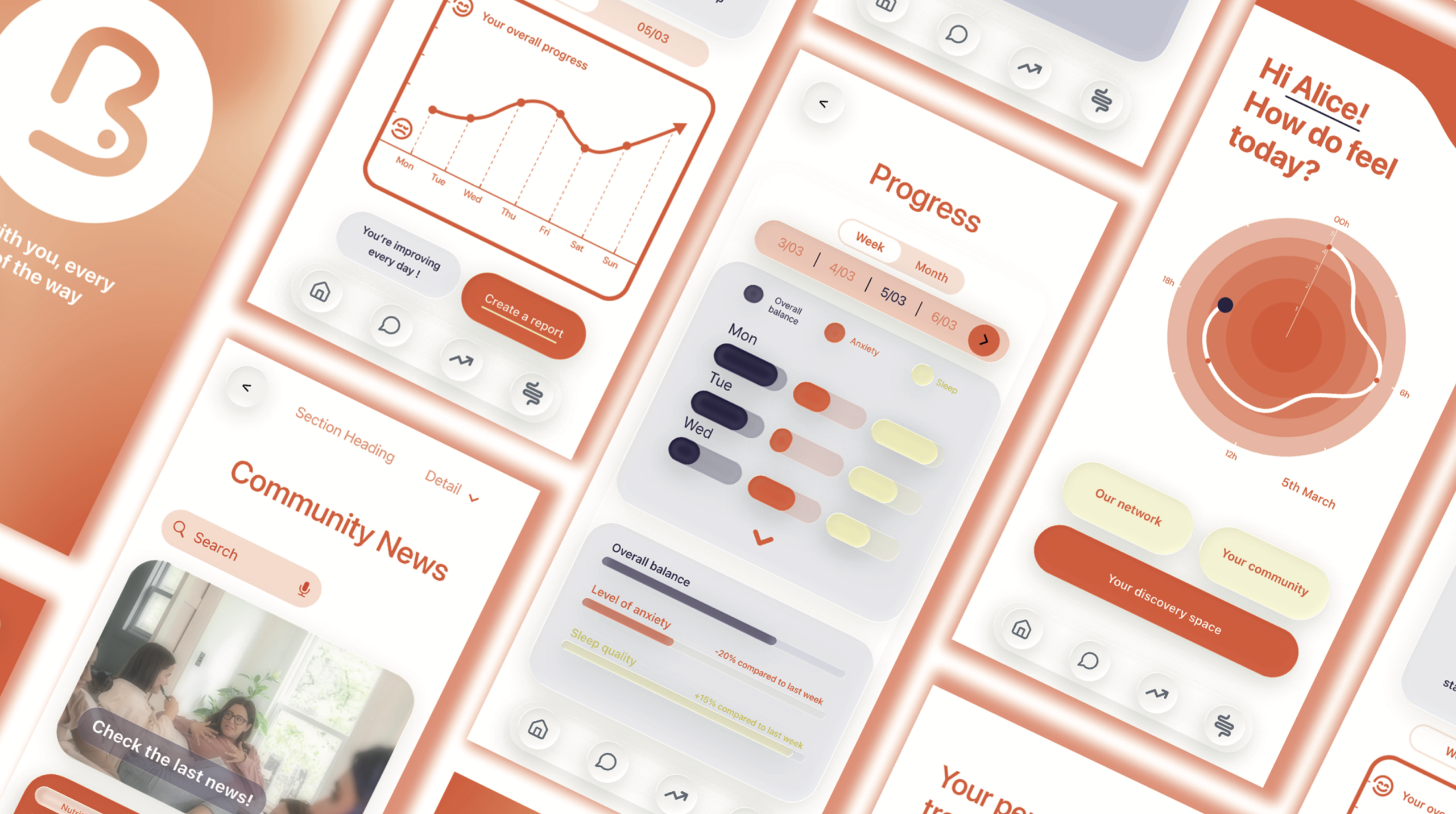
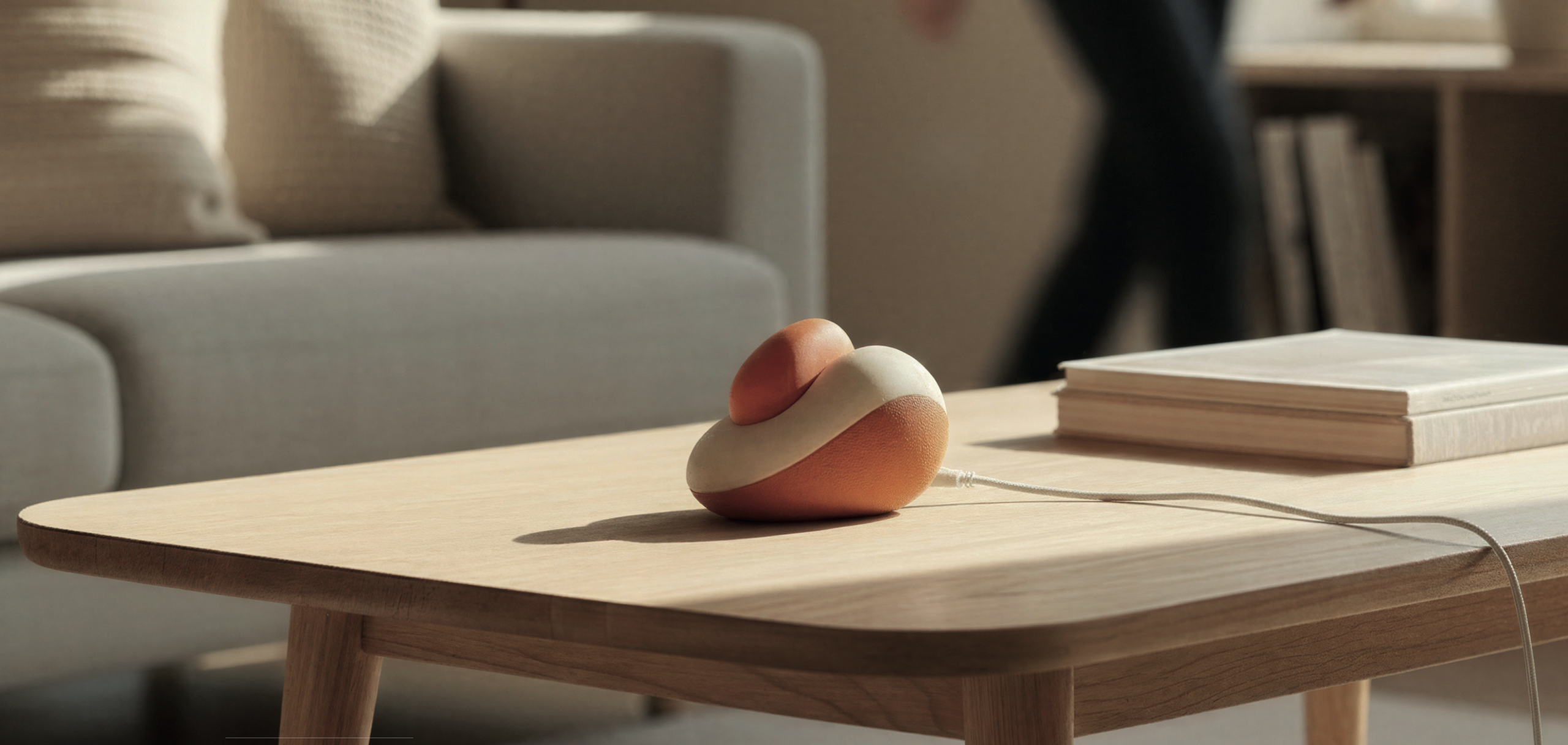
This approach relies on the synergy between an interactive companion object and a mobile app. The physical object, ergonomically designed in silicone and acoustic textile, makes it possible to record painful episodes discreetly by capturing the intensity of pressure applied by the hand. It also provides gentle reminders to encourage regular tracking. The app centralizes this data, creates links between everyday events and symptoms, and facilitates the sharing of reliable information with relatives and doctors. By combining physical tracking, collective support, and medical relay, the project transforms a taboo individual experience into a guided and empowering journey.