partnership project
How can modular, affordable electric mobility be designed for coastal and river communities?
Partner: Toyota
Year: 2026
Sector: Mobility
PROJECT CATEGORIES: PRODUCT DESIGN
 , 9
, 9  , 11
, 11  , 13
, 13  , 14
, 14 
What if the boat became a true tool for local development?
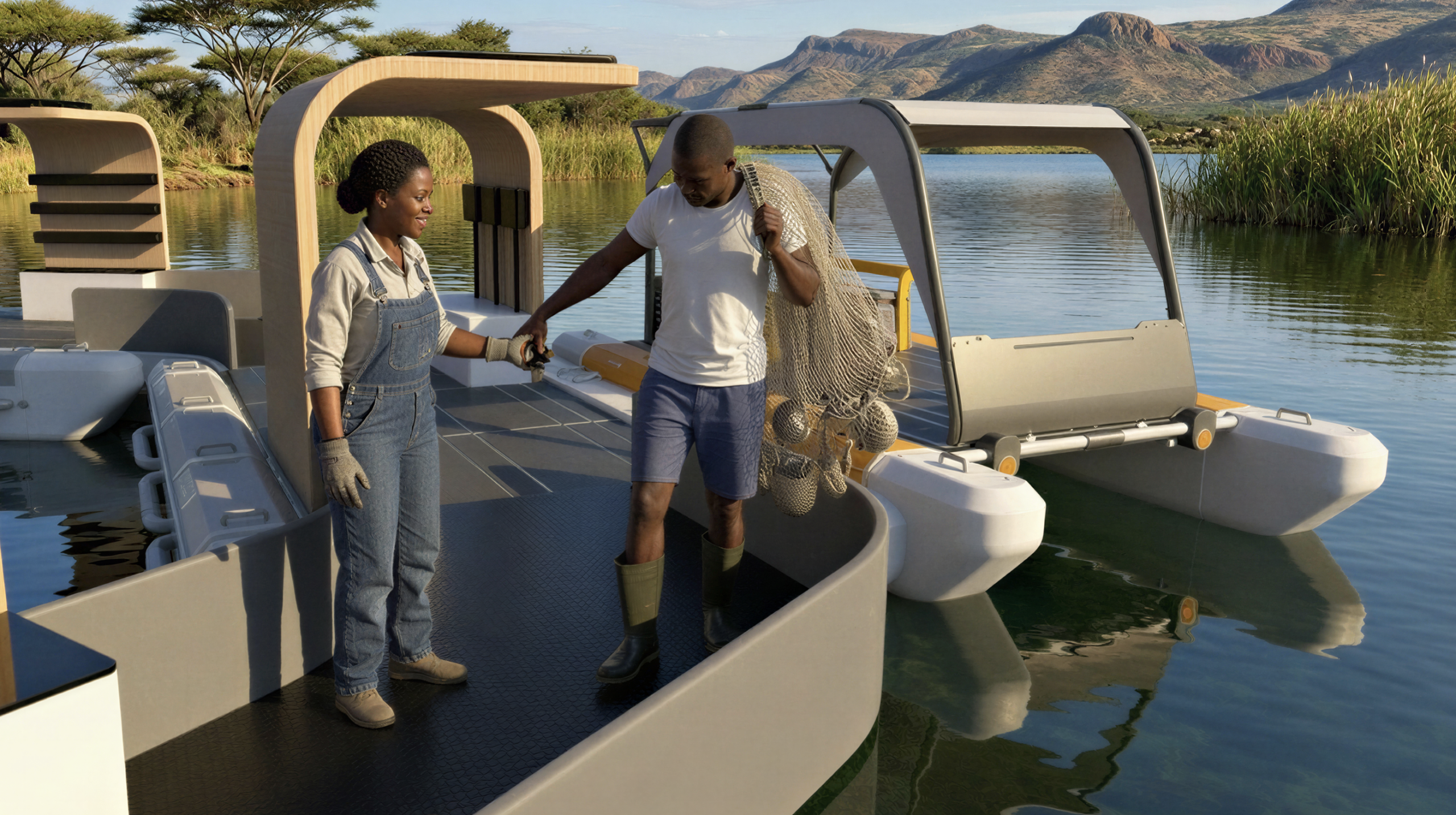
This is the ambition of the Water Tuk-Tuk project, a new approach to waterborne mobility designed for communities living around Lake Victoria in East Africa.
Covering nearly 67,000 km², Lake Victoria is Africa’s largest lake and an essential resource for almost 30 million people. Fishing, trade, transport and tourism shape much of the local economy. In Kisumu, Kenya, boats therefore play a central role in everyday travel and activities.
However, these communities face many challenges: climate change, ecosystem degradation, ageing water-transport infrastructure, evolving needs and economic constraints.
The Water Tuk-Tuk offers a response built on four principles: electrification, modularity, repairability and local manufacturing.
The project starts with a simple question: how can affordable, robust electric mobility be designed to suit local realities?
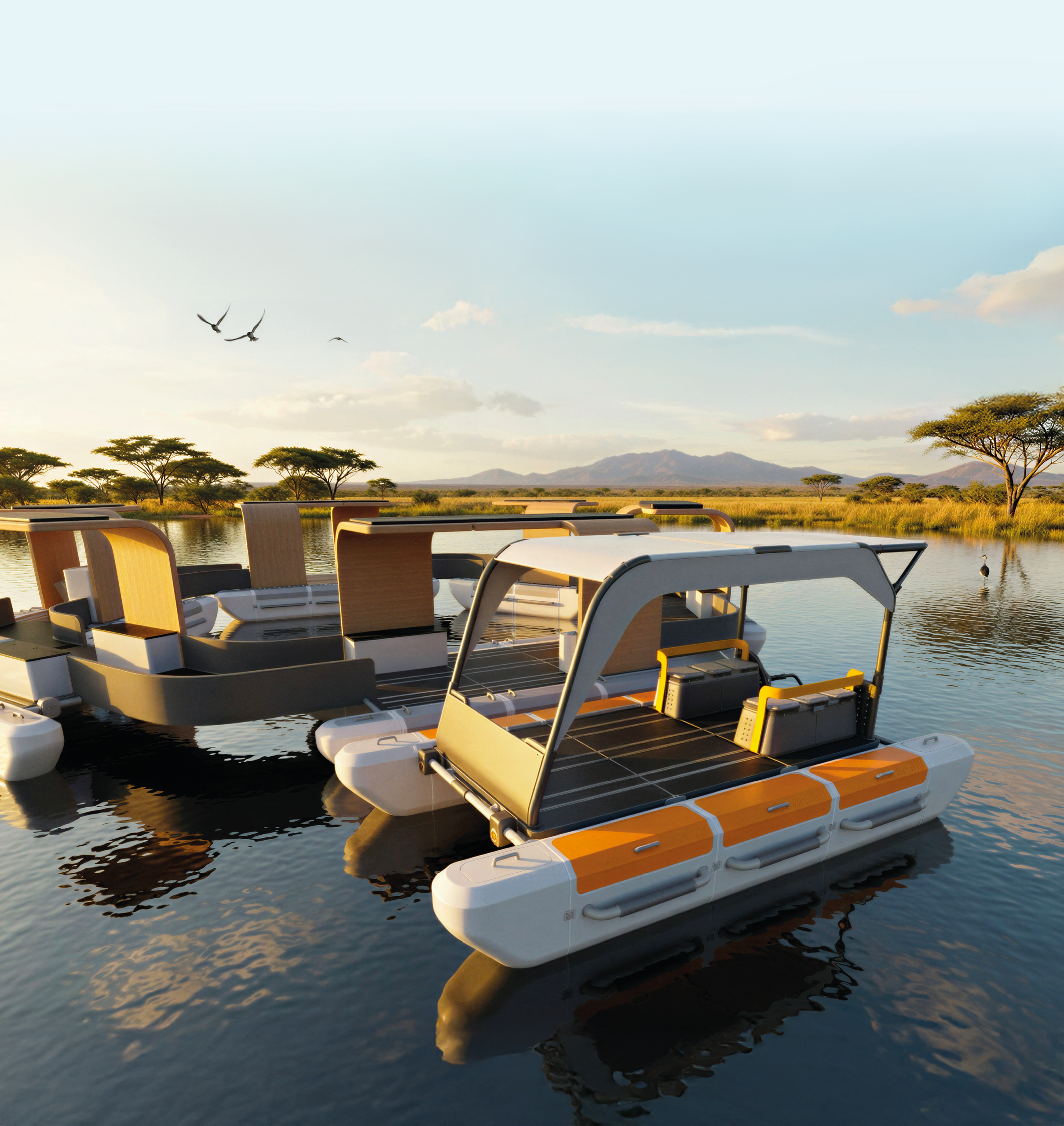
Rather than creating a different boat for every use, the Water Tuk-Tuk is based on a modular platform that can evolve with needs. Fishing, passenger transport, tourism, logistics and essential services can all be provided from the same base.
The design is based on needs identified with local stakeholders—fishers, transport operators, guides, craftspeople, mechanics and cooperatives—and on shared priorities: reliability, safety, controlled costs and ease of maintenance.
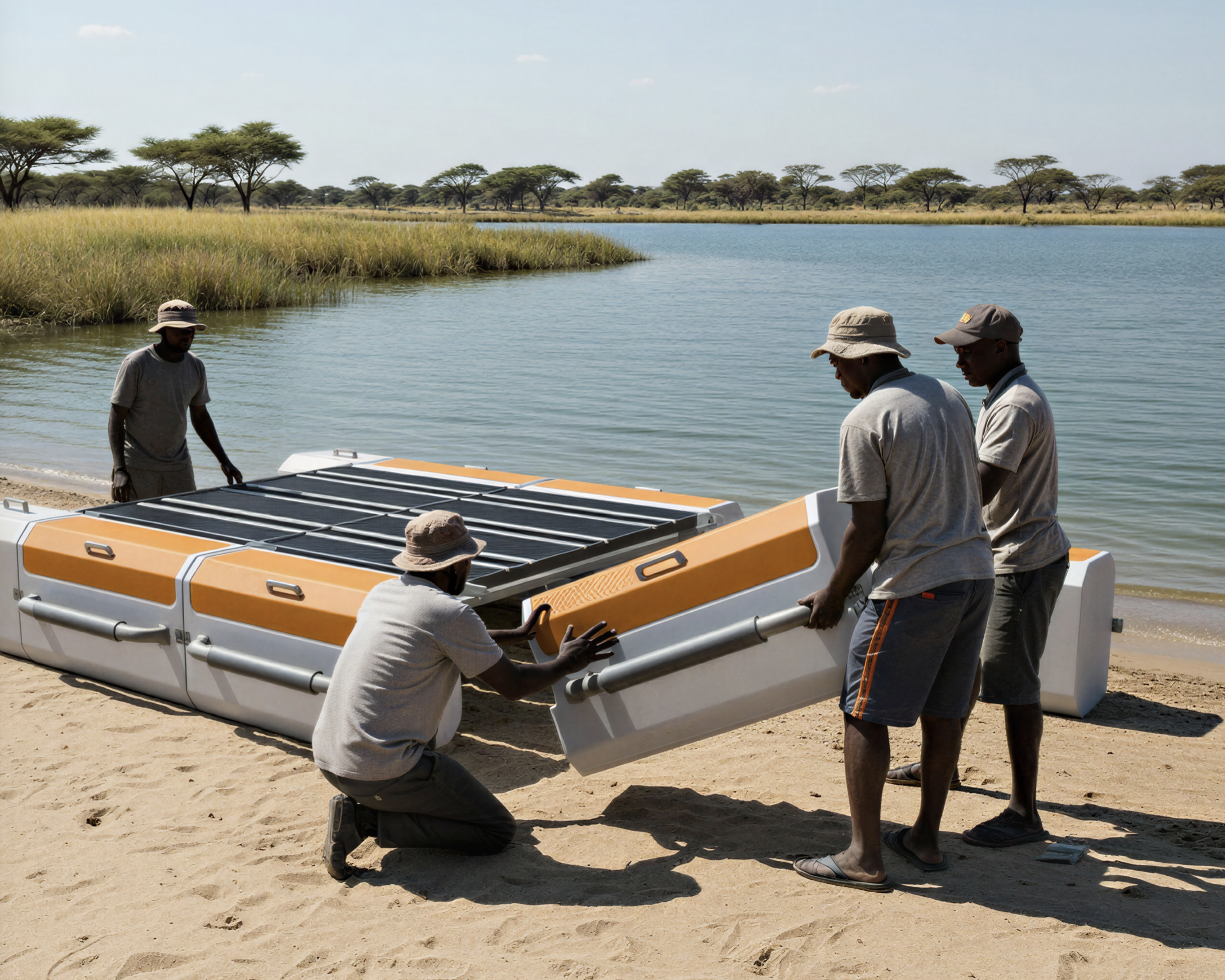
Electric propulsion reduces local emissions and noise pollution. It can also build on the development of solar infrastructure in the region.
However, electrification is only part of the answer. The components are designed to be standardized, robust and easily replaceable, making on-site repairs easier and supporting the development of local skills and maintenance networks.
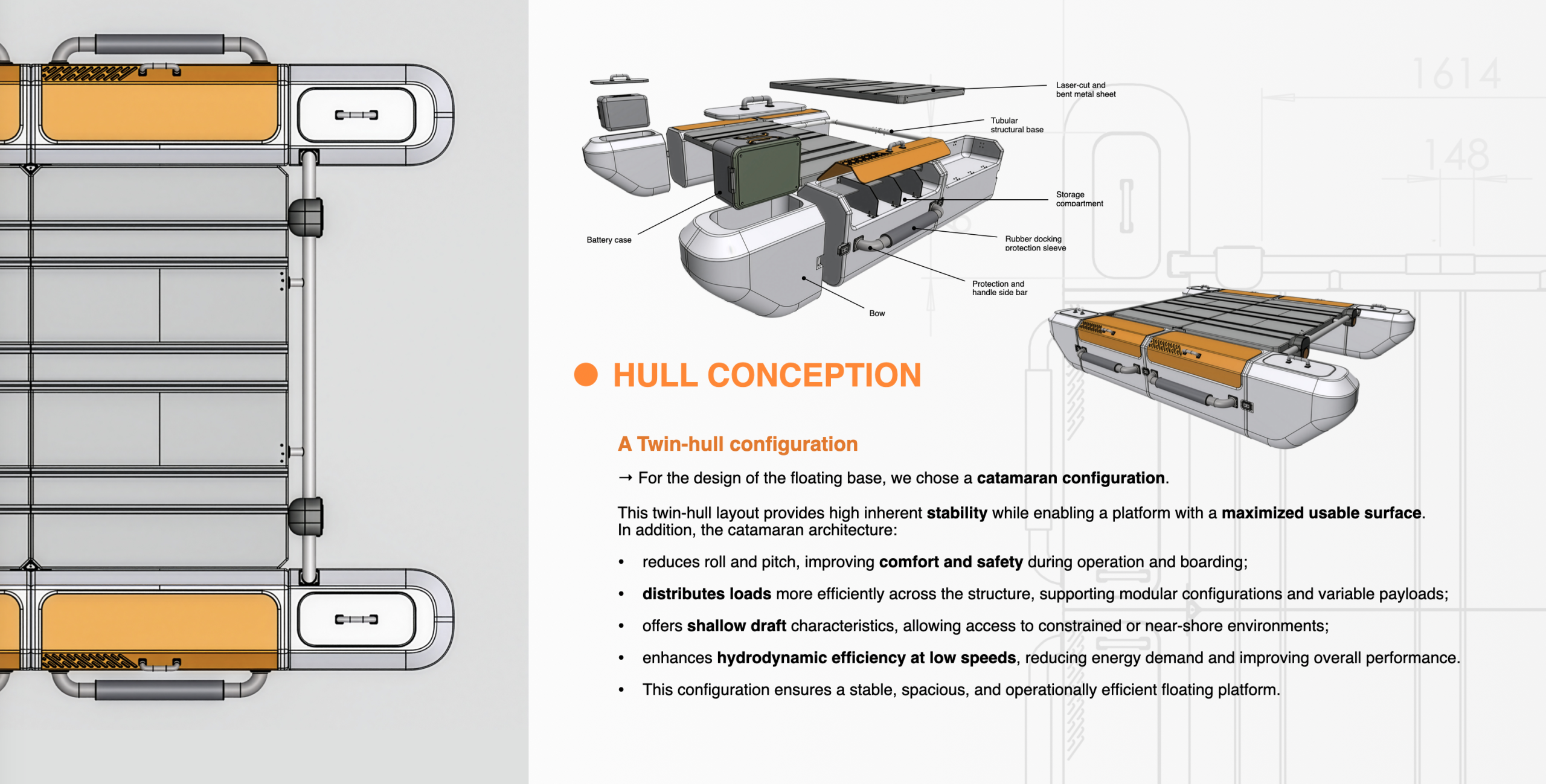
The Water Tuk-Tuk combines a rotomoulded polyethylene hull, a tubular frame and a platform fitted with rails for different equipment.
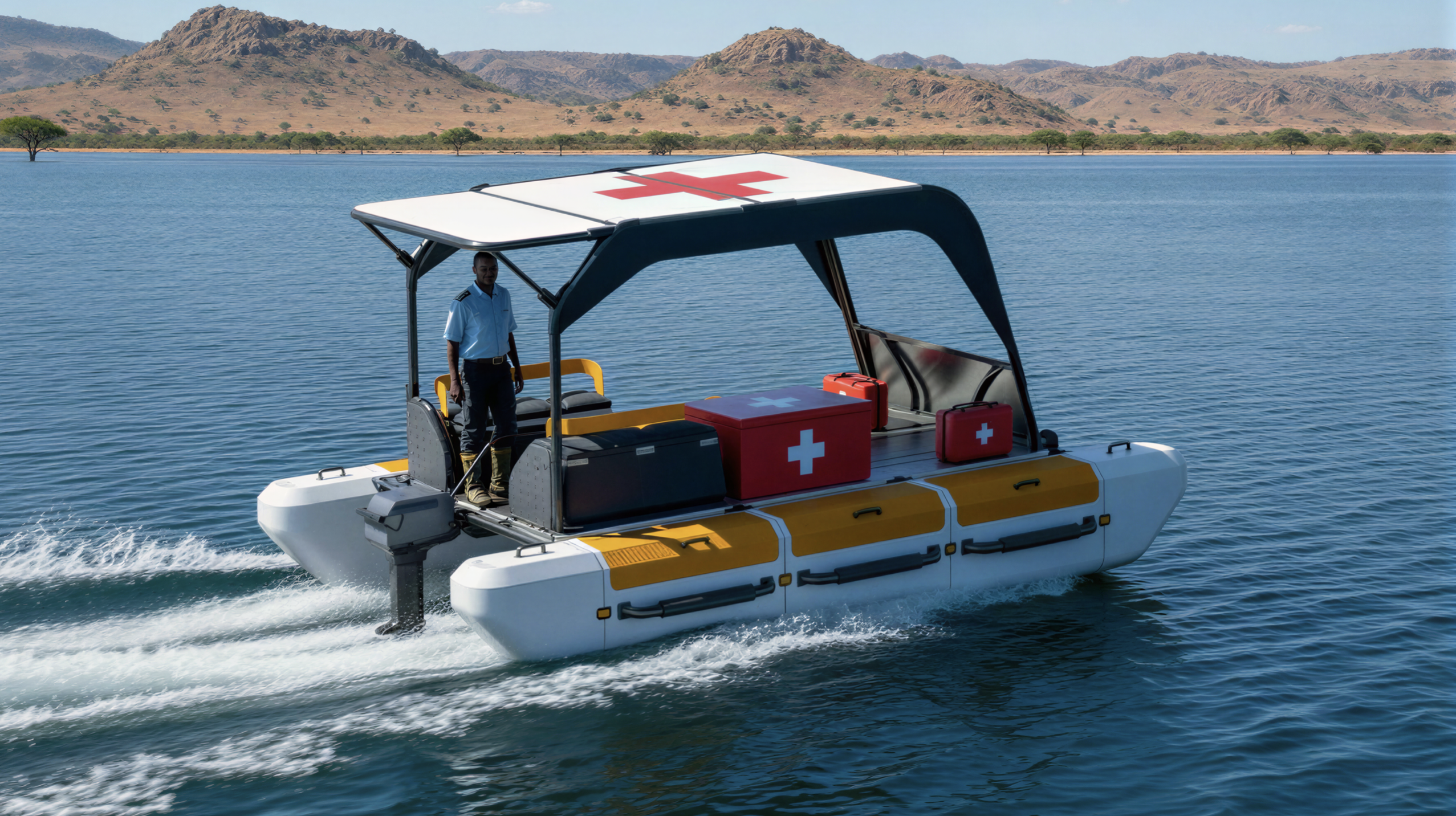
Seats, storage, protection and fittings can be repositioned to adapt the boat to its use. It can therefore serve fishing, passenger transport, tourism or logistics.
Above all, this modularity extends the boat’s lifespan: it can be transformed, repaired, or improved rather than replaced.
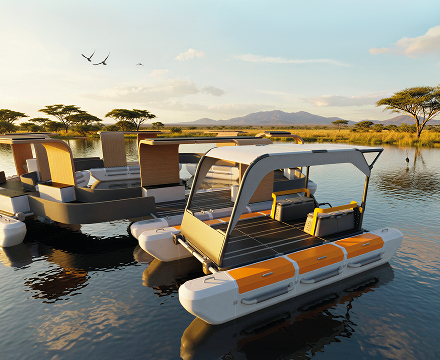
The project also imagines a nautical hub equipped with solar panels, walkways, and storage areas. This infrastructure could facilitate access to the water, organize uses, and enable the charging of electric boats.
The Water Tuk-Tuk therefore goes beyond the question of transport alone. It proposes rethinking waterborne mobility as a system linking boat, energy, maintenance, and the local economy.
By combining electrification, modularity, repairability, and local know-how, the project transforms the boat into a sustainable and adaptable mobility platform designed to support Lake Victoria’s communities and contribute to the development of their territories.